Program 03, Visual Art & Oral History
The Legacy Project
Documenting and exhibiting the artists, stories, and visual culture of jazz in Carson, before they're lost.
What it is
Preservation only counts if something is actually preserved. The Legacy Project is the archive and the gallery, the part of our work that makes “Preserve the Legacy” a verb instead of a tagline.
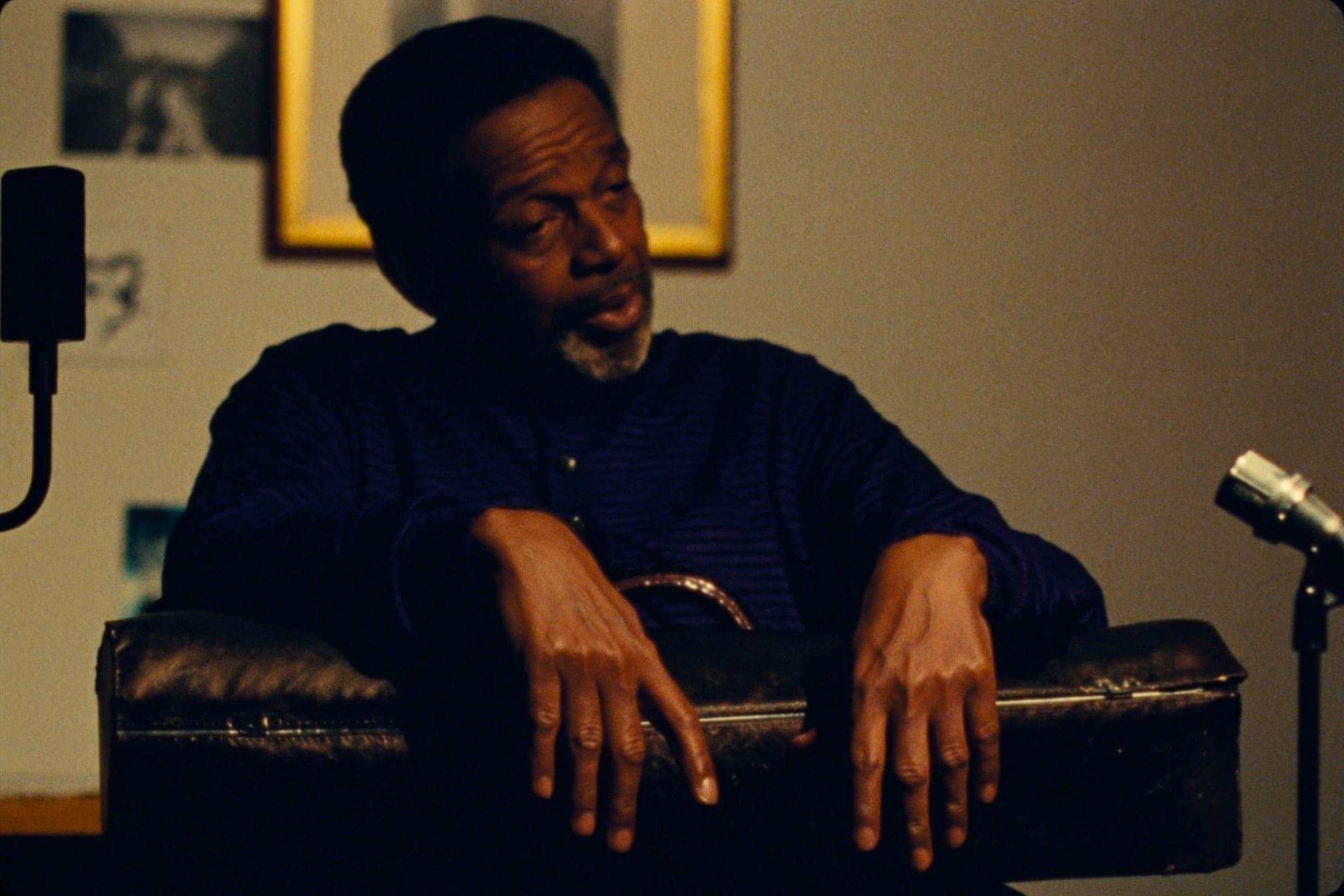
The people who carried this music are still here. We record them, exhibit them, credit them, and seat them in the front row.
Priority goes to elders. This work is time-sensitive in the most literal sense.
- What we collect
- Recorded interviews, photographs, concert programs, recordings, instruments, and ephemera from Carson-area and South Bay musical life.
- Who we record
- Musicians, band leaders, club owners, church music directors, and their families.
- Access
- Free and public. The digital archive is built to serve students, researchers, and families, not to sit behind a paywall.
- Artists paid
- Local visual artists are commissioned and paid for murals and exhibition work. Youth participate as assistants where feasible.
Components
How it actually works
- 01
Oral History Archive
Professionally conducted interviews with Carson-area and South Bay musicians, band leaders, club owners, church music directors, and their families. Audio and video, transcribed, catalogued, and made publicly accessible.
- 02
Public Murals
Commissioned large-format murals in Carson honoring jazz figures and the local musical community. Local visual artists are commissioned and paid; youth participate as assistants, connecting the education program to the visual arts.
- 03
Photography & Exhibition
Rotating exhibits, concert photography, historical images, portraits of local musicians, displayed in accessible public venues: libraries, city buildings, community centers, and concert lobbies during the Jazz Live season.
- 04
Digital Archive
A searchable online collection of interviews, photographs, programs, and recordings. Free public access, built to serve students, researchers, and families.
- 05
Listening Sessions
Community gatherings where archival recordings and interviews are played and discussed, often with the artist or their family present. Intergenerational by design.
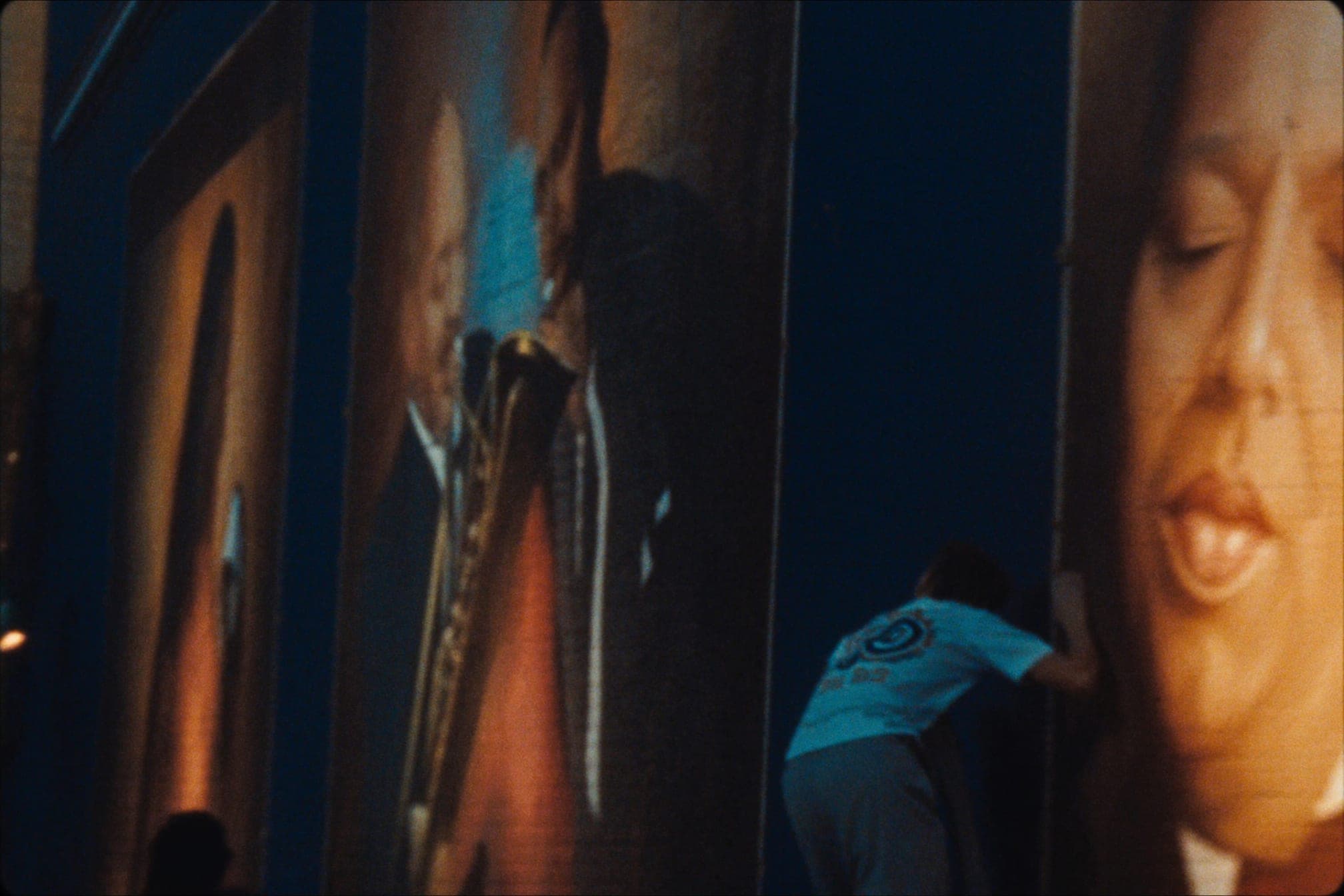
The murals
Put our elders on the wall where they belong.
A mural is the most public form of credit a city can give. It outlasts a program, a season, and a grant cycle. It tells a kid walking to school who came before them and that this music belongs to their neighborhood.
Every mural is designed and painted by a commissioned local artist, with students from Next Generation Jazz assisting where the site allows.
Get involved
Four ways into this program

Support the music
A student is waiting on an instrument that has not been bought yet.
That is not a metaphor. It is the actual state of the lending library. Donations pay working musicians, hold free seats for students and seniors, put instruments in young players' hands, and record the elders while there is still time. In that order.